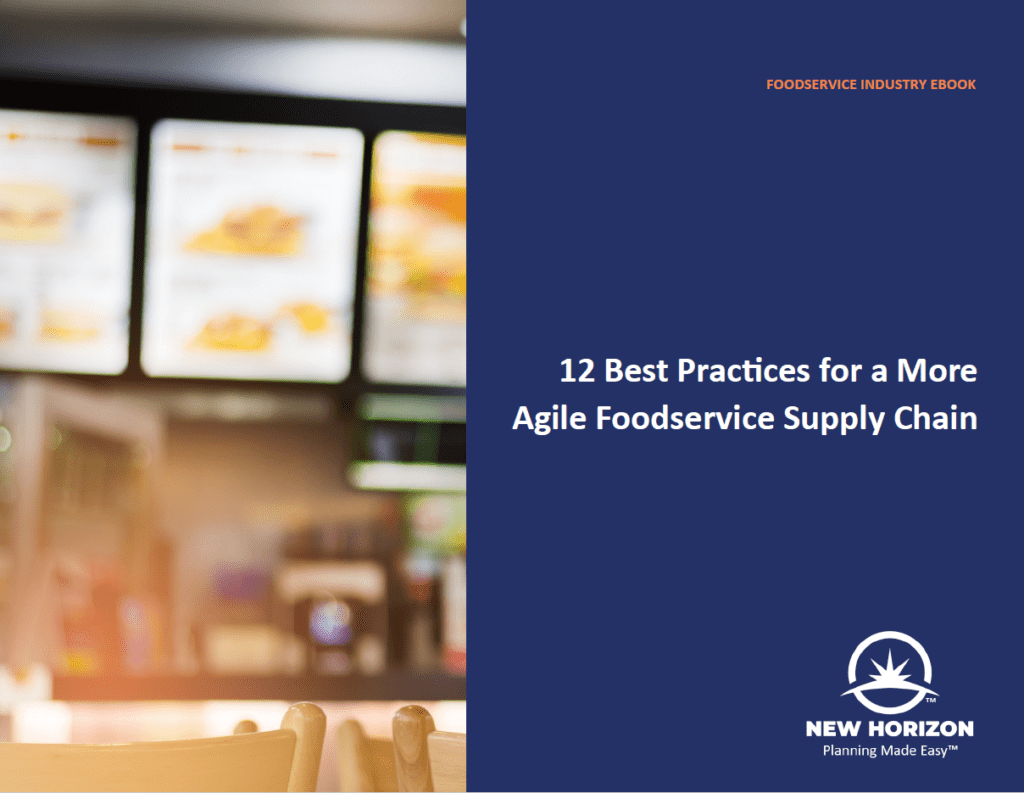
Maximize Profits with Retail Store Analytics Insights
Retail store analytics
demand planning
What is retail store analytics

Retail store analytics refers to the process of collecting, analyzing, and interpreting data generated from various activities within a retail environment. This data-driven approach enables retailers to gain insights into customer behavior, sales trends, inventory management, and overall store performance.

Key Components of Retail Store Analytics

  • Customer Behavior Analysis: By tracking and analyzing customer movements within the store using technologies such as video surveillance, Wi-Fi tracking, and beacons, retailers can understand shopping patterns, dwell times, and popular store areas.
  • Sales Data Analysis: Retail analytics involves examining point-of-sale data to identify sales trends, peak shopping times, and product performance. This helps in optimizing pricing strategies and promotional efforts.
  • Inventory Management: Analytics provide insights into stock levels, turnover rates, and product demand. This information is crucial for minimizing overstock or stockouts, ensuring that inventory is aligned with customer demand.
  • Market Basket Analysis: This technique helps retailers understand the relationship between different products by analyzing purchase patterns. It can suggest cross-selling opportunities and improve product placement strategies.
  • Customer Segmentation and Personalization: By analyzing demographic and transactional data, retailers can segment customers into different groups. This allows for personalized marketing efforts and improved customer service.

Benefits of Retail Store Analytics

- Improved Customer Experience: By understanding customer preferences and shopping behaviors, retailers can tailor store layouts and product offerings to enhance the customer experience.

- Increased Sales and Revenue: Analytics can identify the most effective promotional strategies and product placements that lead to increased sales.

- Operational Efficiency: Data insights help streamline operations, reduce waste, and optimize resource allocation.

- Competitive Advantage: By leveraging analytics, retailers can make informed decisions that differentiate them from competitors.

Challenges in Retail Store Analytics

- Data Privacy Concerns: Collecting customer data raises privacy issues that need to be addressed with clear policies and compliance with regulations.

- Integration of Data Sources: Retailers often struggle with integrating data from various sources to create a cohesive analytics strategy.

- Adoption of Technology: Implementing advanced analytics technologies requires investment and a shift in organizational culture.

In summary, retail store analytics is a powerful tool that allows retailers to understand and enhance their business operations. By leveraging the insights gained from analytics, retailers can improve customer satisfaction, increase profitability, and maintain a competitive edge in the market.

demand management
Technology of retail store analytics

Retail store analytics technology encompasses a variety of tools and systems designed to collect and analyze data within a retail environment. This technology aims to enhance customer experience, optimize store operations, and increase sales through data-driven decision-making.

Components of Retail Store Analytics Technology

  • In-store Sensors and IoT Devices: These devices collect real-time data on customer movements, product interactions, and store traffic. Common tools include cameras, smart shelves, and RFID tags.
  • Point of Sale (POS) Systems: Modern POS systems don’t just process transactions; they also gather valuable data on sales patterns, customer preferences, and inventory levels.
  • Customer Relationship Management (CRM) Software: CRM systems help retailers understand customer behavior by tracking purchase history, preferences, and feedback.
  • Data Analytics Platforms: These platforms process and analyze the vast amounts of data collected from various sources, providing insights into customer demographics, buying trends, and more.
  • Artificial Intelligence (AI) and Machine Learning (ML): AI and ML algorithms can predict trends, personalize marketing efforts, and automate inventory management based on data analytics.

Benefits of Retail Store Analytics

- Enhanced Customer Experience: By understanding customer behavior and preferences, retailers can tailor their offerings, improving the overall shopping experience.

- Operational Efficiency: Analytics provide insights that help streamline operations, from optimizing staff schedules to managing inventory more effectively.

- Increased Sales: By analyzing purchasing patterns, retailers can make informed decisions about product placement, promotions, and pricing strategies.

- Improved Marketing Strategies: Data-driven insights allow for targeted marketing campaigns that are more likely to resonate with specific customer segments.

Implementation Challenges

- Data Privacy Concerns: Collecting and handling customer data raises privacy issues that must be managed with robust security measures and compliance with regulations like GDPR.

- Integration with Legacy Systems: Many retail stores still use outdated technology, making integration with modern analytics systems challenging.

- Data Overload: Managing and making sense of large volumes of data can be overwhelming without the right tools and expertise.

In conclusion, retail store analytics technology is revolutionizing the way retailers operate, offering numerous benefits from enhanced customer experiences to improved operational efficiencies. As technology advances, its role in retail will only become more critical.

warehouse management
Benefit of retail store analytics

Retail store analytics refers to the collection and analysis of data within a retail environment to improve decision-making, enhance customer satisfaction, and boost sales performance. The benefits of retail store analytics are numerous and span across various aspects of retail operations. Here are some key advantages:

  • Enhanced Customer Experience: By analyzing customer behavior and preferences, retailers can tailor their offerings to meet consumer demands more effectively. This includes personalized promotions, product recommendations, and optimized store layouts, all of which contribute to a better shopping experience.
  • Optimized Inventory Management: Retail store analytics helps in understanding product demand patterns, which enables better inventory management. Retailers can reduce overstock and stockouts by predicting which products are in demand, thus optimizing inventory levels and reducing holding costs.
  • Improved Sales and Revenue: By leveraging data insights, retailers can identify sales trends and forecast future performance. This allows for strategic decision-making, such as adjusting pricing strategies or launching targeted marketing campaigns, ultimately leading to increased sales and revenue.
  • Operational Efficiency: Analytics can streamline various operational aspects, such as staffing, by predicting peak hours and optimizing employee schedules. It also helps in identifying inefficiencies in store operations that can be corrected to improve overall productivity.
  • Competitive Advantage: In a highly competitive retail landscape, having access to and effectively utilizing data can set a retailer apart. Analytics provide insights into market trends and competitor strategies, enabling retailers to stay ahead of the curve.
  • Enhanced Marketing Strategies: Retail analytics provide detailed insights into customer demographics and purchasing behaviors. This information can be used to craft more effective marketing strategies, ensuring that marketing efforts are targeted and yield higher returns on investment.
  • Customer Retention: By understanding customer behavior and preferences, retailers can develop loyalty programs that resonate with their audience, thereby increasing customer retention and lifetime value.

In conclusion, retail store analytics offer a wealth of benefits that can transform the way retailers operate, making them more responsive to consumer needs and more efficient in their operations. By leveraging these insights, retailers can not only enhance their service offerings but also significantly improve their bottom line.

AI demand planning
How to implement retail store analytics

Implementing retail store analytics requires a structured approach to effectively collect, analyze, and utilize data to enhance store operations and customer experiences. Here’s a step-by-step guide to help you implement retail store analytics:

  • Define Objectives: Start by clearly defining what you aim to achieve with retail store analytics. Whether it's improving sales, optimizing inventory, enhancing customer experience, or increasing operational efficiency, having clear objectives will guide your analytics strategy.
  • Choose the Right Tools: Identify and select the right analytics tools and platforms that align with your objectives. Popular tools include Google Analytics for retail, POS analytics software, customer relationship management (CRM) systems, and IoT devices that track in-store traffic and behavior.
  • Data Collection: Implement systems to collect data from various sources such as sales transactions, customer interactions, foot traffic, and inventory levels. Use sensors, cameras, and POS systems to gather both quantitative and qualitative data.
  • Data Integration: Ensure that all data collected from different sources can be integrated into a centralized system. This may involve using data warehousing solutions or cloud-based platforms that support data integration and provide a holistic view of store operations.
  • Data Analysis: Employ data analytics techniques to process and analyze the data. Use descriptive analytics to understand past performance, predictive analytics to forecast future trends, and prescriptive analytics to recommend actions based on insights.
  • Visualization: Utilize data visualization tools to create dashboards and reports that present insights in an easily digestible format. Tools like Tableau or Power BI can help in visualizing data trends and patterns.
  • Actionable Insights: Translate data analysis into actionable insights. For example, if analytics reveal that certain products are high in demand, you can adjust inventory levels accordingly. Similarly, insights on customer traffic patterns can inform store layout and staffing decisions.
  • Continuous Monitoring and Optimization: Retail store analytics is not a one-time project but an ongoing process. Continuously monitor analytics performance, refine your strategies based on new data, and adapt to changing market conditions to ensure continuous improvement.
  • Training and Culture: Implement training programs for staff to ensure they understand how to utilize analytics tools and leverage insights in their daily operations. Fostering a data-driven culture within the organization will enhance the effectiveness of analytics implementation.

By following these steps, retail businesses can successfully implement analytics to drive insights, improve decision-making, and ultimately enhance the overall store performance and customer satisfaction.

supply chain management
Select retail store analytics provider

When selecting a retail store analytics provider, it is crucial to consider several factors that align with your specific business needs and objectives. Retail store analytics plays a vital role in optimizing operations, enhancing customer experiences, and increasing sales by providing actionable insights from data collected in physical store environments.

Key Considerations

  • Data Collection Methods: Evaluate how the provider collects data. Common methods include video analytics, Wi-Fi tracking, point of sale (POS) data, and sensors. Ensure the provider’s data collection methods align with your store’s infrastructure and privacy policies.
  • Real-Time Analytics: Determine if the provider offers real-time analytics. Real-time data can help in making quick decisions that improve customer service and operational efficiency.
  • Integration Capabilities: Check how well the analytics platform integrates with your existing systems, such as POS, CRM, or ERP systems. Seamless integration can enhance data accuracy and streamline operations.
  • Customization and Scalability: Consider whether the analytics solutions are customizable to fit your specific business needs and scalable as your business grows. This flexibility can be crucial for meeting changing market demands.
  • User-Friendly Interface: A user-friendly dashboard is essential for interpreting data easily and enabling various team members to leverage insights effectively.
  • Security and Compliance: Ensure the provider complies with relevant data protection regulations such as GDPR or CCPA, and that they have robust security measures to protect sensitive customer data.
  • Support and Training: Good providers offer comprehensive support and training to help your team maximize the use of the analytics tools.

Leading Providers

Several companies are recognized for their advanced retail store analytics solutions:

- RetailNext: Known for its comprehensive in-store analytics, offering insights into traffic, engagement, and customer demographics through video, Wi-Fi, and POS data.

- ShopperTrak: Provides traffic analytics and insights into customer behavior to help optimize staffing and inventory management.

- FootfallCam: Specializes in people counting solutions that help retailers measure store performance and customer engagement.

- Skyfii: Offers a suite of tools that capture and analyze data from multiple sources, including Wi-Fi and POS, to improve customer experiences and store performance.

Conclusion

Selecting the right retail store analytics provider requires careful consideration of your specific business needs, technological alignment, and the ability to derive actionable insights. By focusing on these areas, retailers can enhance their operational strategies, improve customer satisfaction, and ultimately drive sales growth.

New Horizon AI planning
New Horizon – The AI Planning Suite
New Horizon’s AI-powered supply chain planning software enables manufacturers, wholesalers, and retailers to improve forecast accuracy and service levels while minimizing inventory and costs. Our cloud-based applications are easier to use, configure, implement, and operate, helping planners make smarter decisions faster.
The New Horizon SaaS suite includes Demand Planning, Multi-Echelon Inventory Optimization, Supply Planning, Buyers Workbench, Replenishment Planning, Production Planning, Sales and Operations Planning, and Strategic Planning—delivering an end-to-end planning platform for agile, modern supply chains.
Headquartered outside Boston, we support customers across North America, Europe, and Asia with responsive experts who understand the unique needs of industry innovators.
To learn more, contact info@newhorizon.ai, call USA: 1 888.639.4671, or Int’l: +1 978.394.3534.
Visit NewHorizon.ai
FAQ
What makes New Horizon’s approach to supply chain planning different?
New Horizon combines advanced artificial intelligence, machine learning, and cloud technologies to deliver faster, more accurate plans through an intuitive, modern user experience that helps planners act with confidence.
Which applications are included in the New Horizon AI Planning Suite?
The suite spans Demand Planning, Multi-Echelon Inventory Optimization, Supply Planning, Buyers Workbench, Replenishment Planning, Production Planning, Sales and Operations Planning, and Strategic Planning, providing end-to-end visibility and control.
How does New Horizon improve forecast accuracy?
Machine learning models continuously analyze demand signals and segment demand profiles, enabling planners to respond faster to change and deliver measurable gains in forecast accuracy.
What business results do customers typically achieve?
Organizations report significant improvements such as higher forecast accuracy, reduced inventory, and fewer stockouts, helping them become more agile and resilient in dynamic markets.
How quickly can a company go live with New Horizon?
Thanks to self-service configuration and cloud deployment, customers can go live in as little as one month while minimizing implementation risk and cost.
What makes the user experience stand out?
The platform features a modern, highly configurable interface with productivity boosters like automated demand segmentation and day-in-the-life templates that streamline daily planning workflows.
Which industries does New Horizon serve?
Manufacturers, consumer products brands, foodservice organizations, retailers, and wholesale distributors rely on New Horizon to tailor planning processes to their unique supply chain challenges.
Does New Horizon support industry-specific functionality?
Yes. Capabilities such as optimized truck loading, investment buying, and multi-echelon inventory optimization address specialized requirements across diverse industries.
Is New Horizon delivered as a cloud solution?
New Horizon is a cloud-based SaaS platform, making it easier to use, configure, implement, and operate while reducing the burden on internal IT teams.
How configurable is the platform?
Planners can adapt screens, workflows, and analytics through self-service tools, ensuring the solution aligns with evolving business processes without extensive customization projects.
What resources are available to learn more about New Horizon?
The Resource Center offers blog articles, videos, customer stories, data sheets, solution briefs, and eBooks that highlight best practices and customer success.
How can teams explore the platform in action?
Prospects can request a demo directly from the website to see how the AI Planning Suite streamlines their specific supply chain planning processes.
Where is New Horizon headquartered?
New Horizon is headquartered at 100 Powdermill Road, Suite 108, Acton, Massachusetts, just outside Boston, supporting customers worldwide.
What regions does New Horizon serve?
The company supports customers across North America, Europe, and Asia, pairing global reach with responsive local expertise.
How can organizations contact New Horizon?
Reach the team at info@newhorizon.ai, call USA: 1 888.639.4671, or Int’l: +1 978.394.3534 for more information about the AI Planning Suite.